Locking the door
is not a security system.
It works while you are home and awake. That leaves the sixteen hours when you are asleep or out.
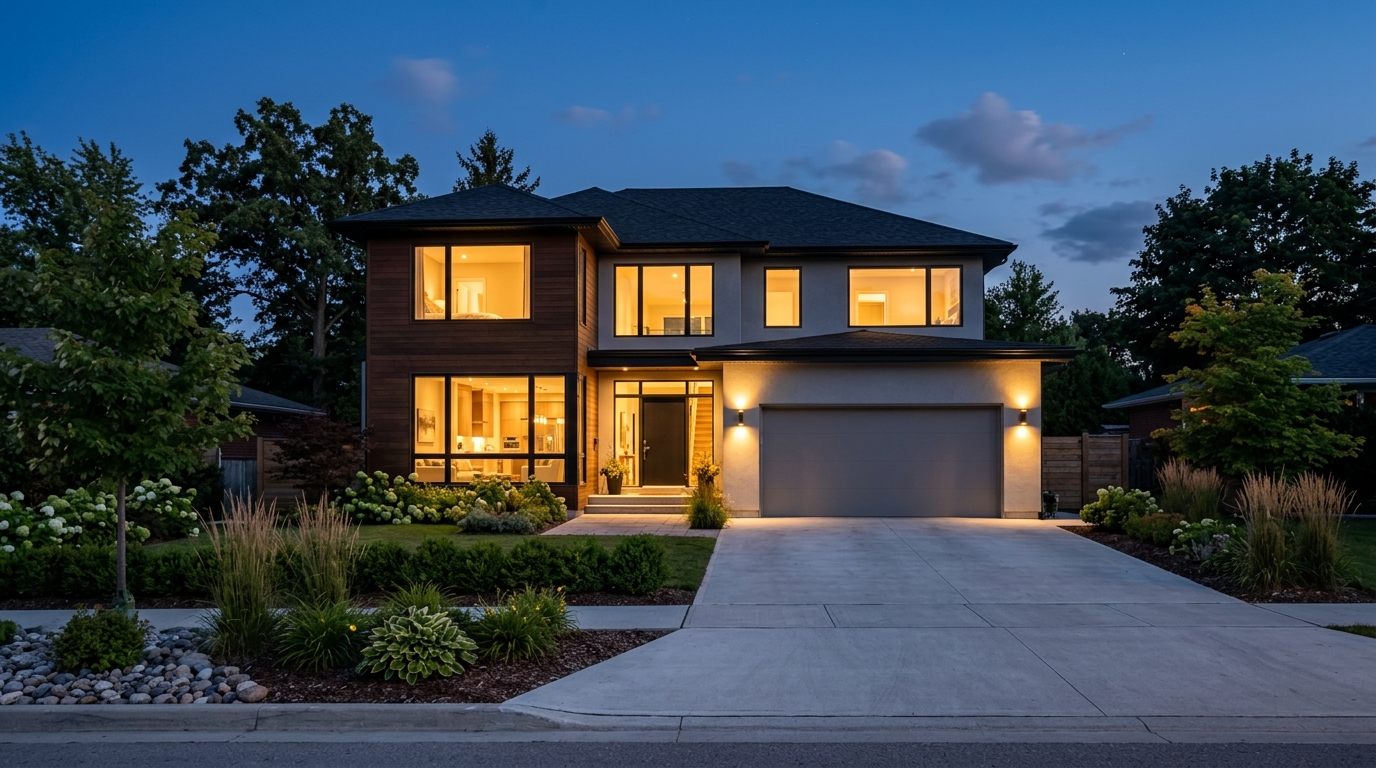
Break-ins are the threat people plan for.
Intrusion
Door and window sensors and motion detectors cover entry points across the property.
Fire and smoke
An undetected fire spreads fastest when nobody is home to notice it. A monitored system can alert a dispatch centre from an empty house.
Carbon monoxide
Odourless and invisible. A detector is the only warning a household gets.
Systems differ in what they monitor and how they respond.
A lock works while you are home and awake.
A monitored system covers the hours you are not.
While you sleep
Sensors stay awake on every door and window through the night, whether or not anyone hears them open.
While you travel
An empty home is the hardest to protect. Remote alerts and camera access keep it in view from anywhere.
While you work
An empty house is the easiest target, and weekday hours are when a street is at its quietest.
An alarm makes noise. Monitoring makes a call.
This is the difference most buyers do not think about until it matters.
-
1
Detected
A sensor or camera picks up activity.
-
2
Verified
The system confirms the alert is real.
-
3
Contacted
A monitoring centre reaches the household.
-
4
Escalated
Emergency services are dispatched if needed.
Self-monitored systems stop at step one.
Cameras are the easy part.
The cost and the effectiveness of a system live in three decisions. Everything else is hardware.