Is Your Gut Trying to Tell You Something? Signs to Watch For
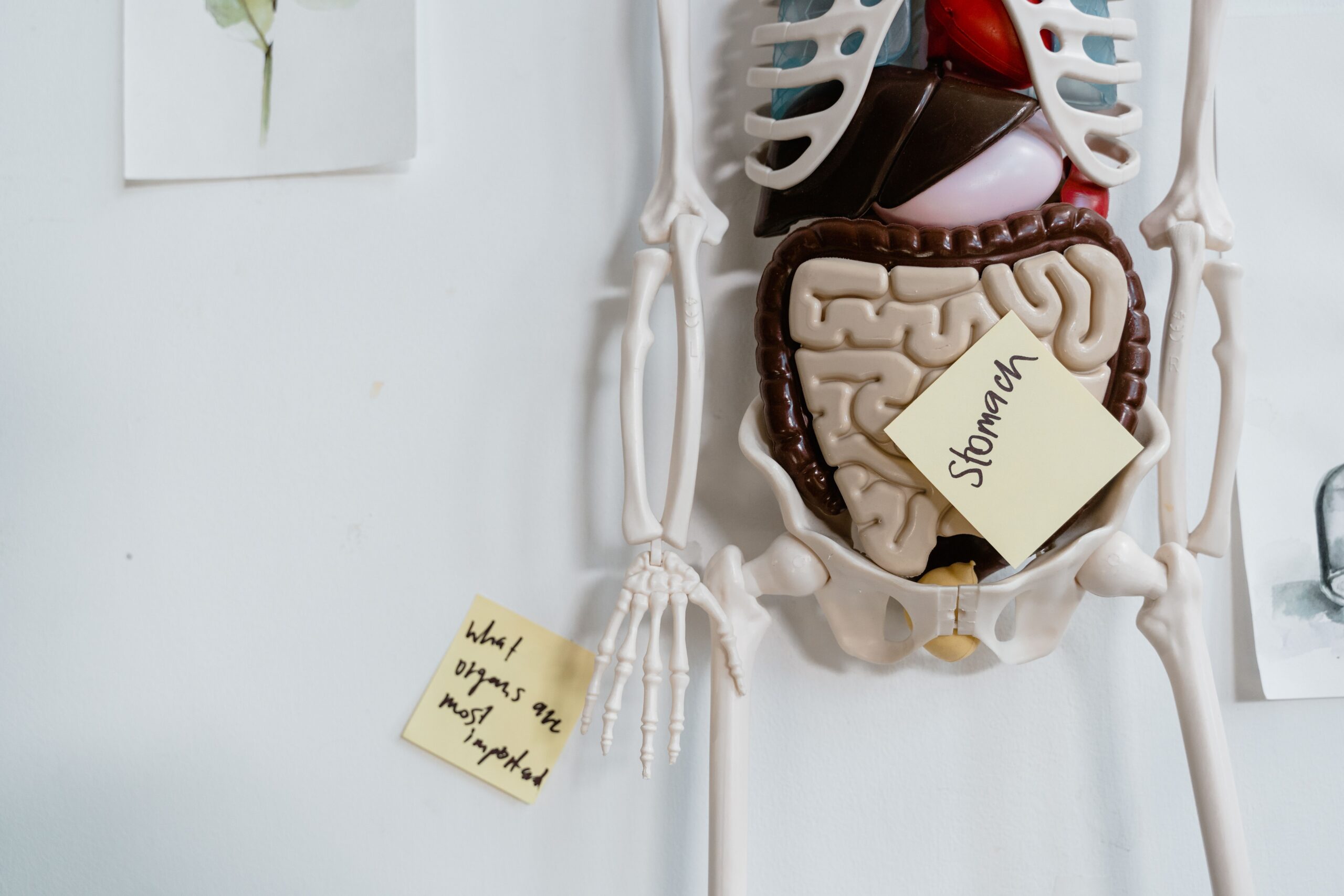
Your gut does much more than digest the food you eat. It plays an important role in nutrient absorption, immune function, and overall well-being. When your digestive system is working well, it’s easy to take it for granted. But when something feels off, your body often sends subtle signals that shouldn’t be ignored.
Many digestive changes are temporary and can be influenced by everyday habits such as diet, hydration, stress, sleep, and physical activity. Learning to recognize these signs can help you make positive lifestyle adjustments that support long-term gut health.
“Your digestive system has its own way of communicating. The sooner you listen, the easier it becomes to support your overall well-being.” — Natalie Hughes
Why Gut Health Matters
Your digestive system works continuously to break down food, absorb nutrients, and eliminate waste. It also supports many other functions that contribute to your everyday health.
When your gut is functioning well, you may notice:
- Comfortable digestion
- Steady energy throughout the day
- Better overall comfort after meals
- A greater sense of everyday well-being
While occasional digestive discomfort is common, ongoing changes may suggest that your routine deserves a closer look.
1. Frequent Digestive Discomfort

Feeling uncomfortable after meals from time to time isn’t unusual. However, if digestive discomfort becomes a regular occurrence, it may be worth paying attention to your eating habits.
Eating too quickly, consuming large portions, or having an inconsistent meal schedule can all affect how comfortable you feel throughout the day.
Slowing down during meals and eating at regular times may help support healthier digestion.
2. Changes in Your Bathroom Routine
Everyone’s digestive patterns are different, but noticeable or ongoing changes in your normal routine may be worth observing.
Keeping track of when these changes occur, along with any dietary or lifestyle changes, can help you identify patterns that may be affecting your digestive comfort.
3. Low Energy Throughout the Day
Your digestive system helps your body absorb the nutrients needed to produce energy. When your daily routine feels consistently draining, it’s worth considering whether lifestyle habits—including nutrition and digestion—could be playing a role.
Balanced meals, regular hydration, and quality sleep all work together to support healthy energy levels.
4. You Often Feel Uncomfortable After Eating
If you regularly experience a feeling of fullness or discomfort after meals, your eating habits may deserve a second look.
Helpful practices include:
- Eating slowly
- Chewing food thoroughly
- Choosing balanced portions
- Avoiding rushed meals
- Staying hydrated throughout the day
Simple adjustments can often improve your overall dining experience.
“Healthy digestion isn’t about perfection—it’s about giving your body the consistency it needs to work at its best.” — Natalie Hughes

5. Your Lifestyle Has Become Less Active
Regular movement supports many aspects of overall health, including digestion. Spending long periods sitting without regular activity may contribute to digestive sluggishness.
Walking after meals, stretching during work breaks, or engaging in regular physical activity can support your overall digestive wellness.
6. Stress Is Part of Your Daily Routine
The connection between the brain and the digestive system is well established. Busy schedules and ongoing stress can sometimes influence how your digestive system feels.
Creating opportunities to relax can support both mental well-being and digestive comfort.
Consider:
- Taking short walks outdoors
- Practicing deep breathing
- Reading or listening to music
- Spending time with family or friends
- Scheduling regular breaks throughout the day
7. Your Diet Lacks Variety

A varied eating pattern provides your digestive system with different nutrients that support overall wellness.
Aim to include a range of:
- Fruits
- Vegetables
- Whole grains
- Lean proteins
- Beans and legumes
- Nuts and seeds
Rather than focusing on individual foods, building balanced meals over time supports healthy digestion and overall nutrition.
Everyday Habits That Support Gut Health
Supporting your digestive system doesn’t require complicated routines. Small daily habits can make a meaningful difference over time.
Consider making these part of your routine:
- Eat meals at consistent times.
- Stay well hydrated.
- Include fiber-rich foods in your diet.
- Stay physically active.
- Get enough quality sleep.
- Manage everyday stress.
- Eat slowly and mindfully.
These habits work together to support your digestive system as part of a healthy lifestyle.
Listen to What Your Body Is Telling You
Your gut often reflects your everyday habits. While occasional digestive changes are a normal part of life, persistent discomfort or ongoing changes deserve attention.
Supporting your gut starts with consistency rather than quick solutions. By choosing balanced meals, staying active, drinking enough water, managing stress, and prioritizing sleep, you create an environment where your digestive system can function at its best.
Over time, these simple habits don’t just benefit your gut—they contribute to better overall health, energy, and everyday comfort.