Why Your Hair Might Be Falling Out More Than Usual
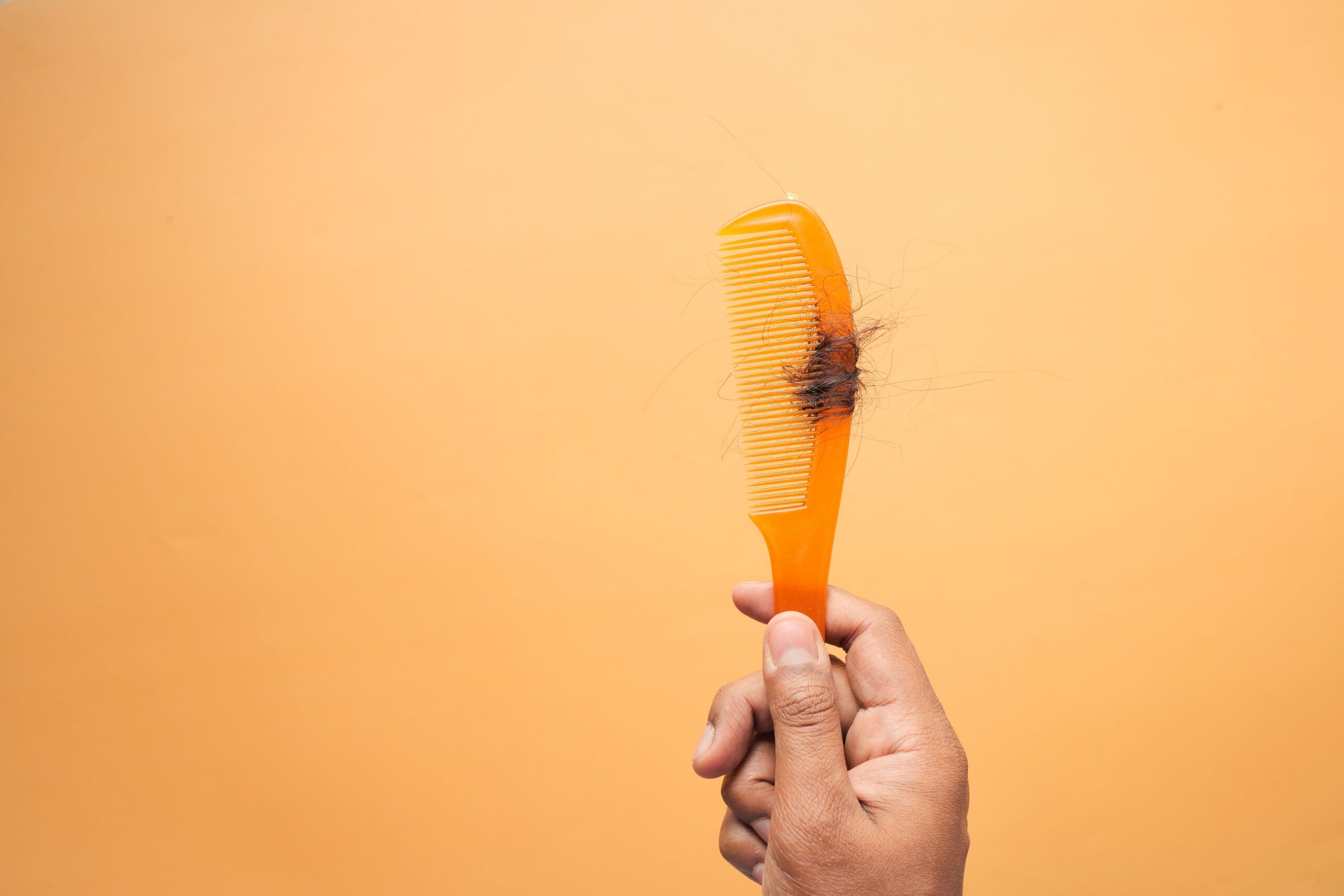
Finding more hair than usual on your brush, pillow, or shower drain can be unsettling. While it’s natural to lose some hair every day, noticing a sudden increase often raises questions about what might be changing. The good news is that temporary hair shedding is common and can happen for many reasons, many of which are linked to everyday lifestyle factors.
Hair health reflects more than just the products you use. It is influenced by your daily routine, nutrition, stress levels, sleep quality, and how you care for your scalp. Understanding these factors can help you make informed choices that support stronger, healthier-looking hair over time.
“Healthy hair is often the result of healthy routines. Consistency matters more than quick fixes.” — Natalie Hughes
Is Hair Shedding Normal?
Yes. Losing some hair each day is part of the hair’s natural growth cycle. As older hairs complete their cycle, new ones begin to grow, helping maintain normal hair density.
However, if you notice noticeably more hair falling out over several weeks or months, it may be worth taking a closer look at your daily habits and overall wellness.
Rather than focusing on one possible cause, it’s helpful to consider the bigger picture.
Everyday Stress Can Affect Hair Health
Busy schedules, major life changes, or ongoing pressure can influence many aspects of your overall well-being, including your hair.
When daily stress becomes persistent, it may temporarily affect the natural hair growth cycle, leading to increased shedding. While this type of hair loss is often temporary, managing stress through healthy routines can support overall wellness.
Helpful ways to manage everyday stress include:
- Taking regular breaks during the day
- Spending time outdoors
- Practicing deep breathing or mindfulness
- Staying physically active
- Making time for hobbies you enjoy
- Supporting your mental well-being often benefits your physical well-being as well.
Nutrition Plays an Important Role

Hair is made primarily of protein and relies on a variety of nutrients to grow and remain healthy. A balanced eating pattern provides the building blocks your body needs to support normal hair growth.
Aim to include a variety of:
- Lean protein sources
- Fresh fruits and vegetables
- Whole grains
- Healthy fats
- Nuts and seeds
Rather than focusing on individual “superfoods,” a varied and balanced diet is generally the best approach for supporting overall hair health.
Your Scalp Deserves Attention Too
Healthy hair begins with a healthy scalp. Product buildup, excess oil, or environmental factors can affect the condition of the scalp over time.
Simple scalp care habits include:
- Washing your hair according to your hair type
- Choosing gentle hair care products
- Massaging the scalp while shampooing
- Avoiding unnecessary product buildup
Keeping your scalp clean and comfortable creates a healthy environment for hair.
“Beautiful hair starts beneath the surface. Caring for your scalp is just as important as caring for your strands.” — Natalie Hughes
Everyday Styling Habits Matter
Frequent heat styling, tight hairstyles, and rough brushing can place unnecessary stress on your hair.
To help protect your hair:
- Brush gently, especially when hair is wet.
- Avoid hairstyles that pull tightly on the scalp.
- Limit unnecessary heat styling when possible.
- Allow hair to air dry occasionally.
- Use accessories that are gentle on your hair.
Small adjustments to your routine can help reduce everyday wear and tear.
Sleep Supports Healthy Hair
Quality sleep allows your body to carry out important restorative processes that support overall health. While you sleep, your body focuses on repair and recovery, which contributes to healthy skin, hair, and overall well-being.
Creating a consistent sleep schedule can benefit not only your energy levels but also your long-term wellness.
Seasonal Changes Can Influence Hair
Many people notice changes in hair shedding during different times of the year. Seasonal variations are common and often temporary.
Weather conditions, humidity, sun exposure, and indoor heating or cooling can all affect how your hair feels and behaves.
Adjusting your hair care routine with the seasons—such as using extra moisture during colder months or protecting hair from strong sunlight—can help keep it looking healthy year-round.
When Should You Pay Closer Attention?
Occasional shedding is a normal part of the hair growth cycle. However, if you notice persistent or significant changes over an extended period, it may be helpful to seek guidance from a qualified healthcare professional.
They can help determine whether an underlying factor may be contributing to the change and recommend an appropriate course of action based on your individual situation.
The Bottom Line
Noticing more hair shedding than usual can be concerning, but it doesn’t always indicate a long-term problem. Everyday factors such as stress, nutrition, sleep, seasonal changes, scalp care, and styling habits can all influence the health and appearance of your hair.
Instead of searching for instant solutions, focus on building consistent routines that support your overall well-being. Caring for your scalp, eating a balanced diet, getting enough rest, and treating your hair gently can all contribute to healthier-looking hair over time.
Healthy hair is rarely the result of a single product or trend. More often, it reflects the small, positive habits you practice every day.